

Crawl Space Insulation: Techniques, Prices and Available Aid
Transform your crawl space into an insulated and comfortable space with our sprayed polyurethane foam insulation. The crawl space is a key area to improve thermal insulation and prevent moisture problems in a house. Whether to reduce heat loss, improve indoor air quality, or protect your building against infiltration, crawl space insulation is an effective solution for optimal energy efficiency.
Why insulate a crawl space? Reduction of heat loss: An uninsulated crawl space can lead to up to 10% of energy losses. Protection against moisture: Prevents moisture rise that can affect air quality and structures. Thermal comfort: Keeps your floors warm in winter and reduces cold sensations. Preservation of the house: Protects foundations and improves building durability with durable and high-performance insulation.
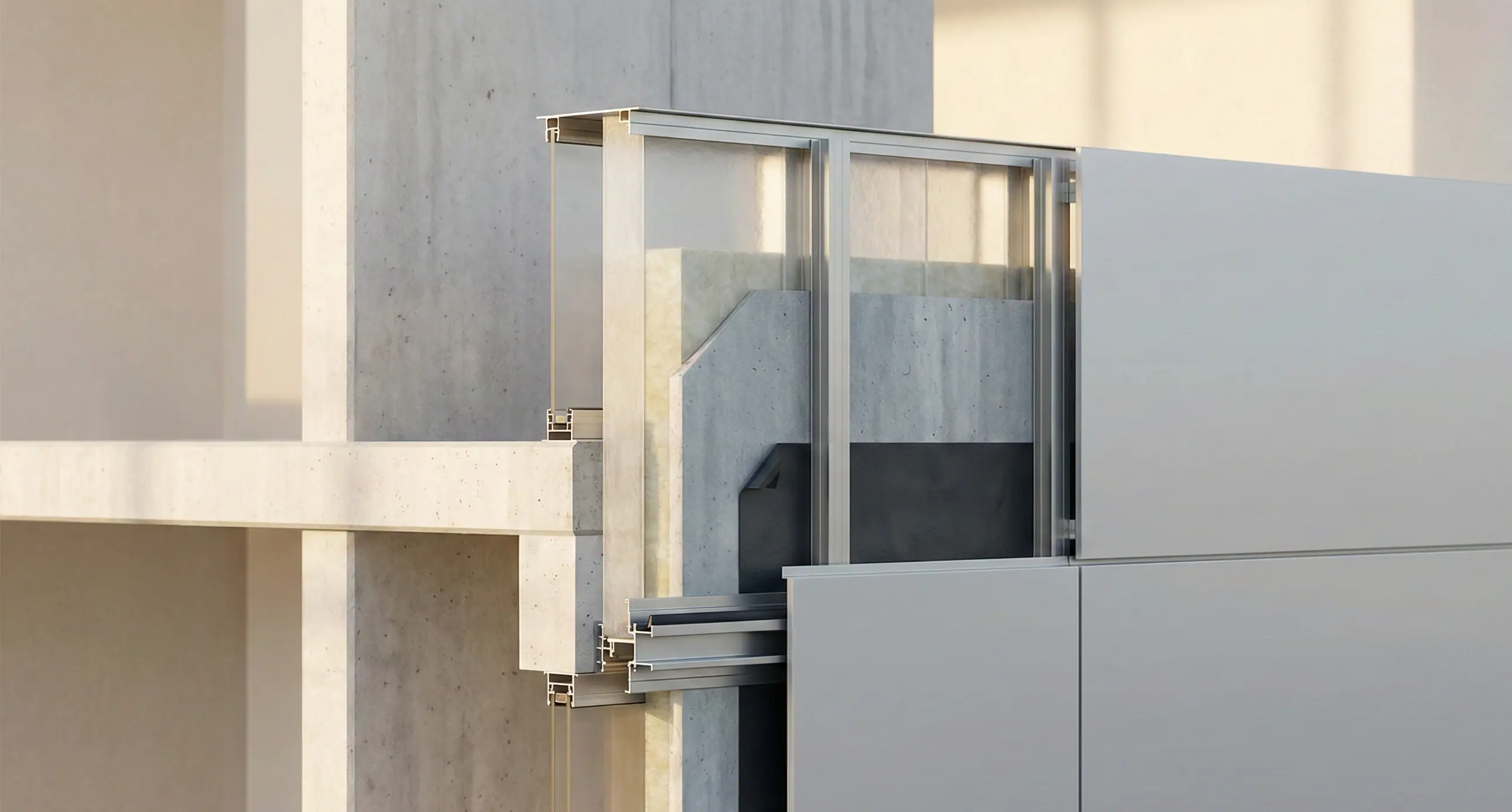
Crawl space insulation by spraying with insulating foam sprayed directly under the floor, creating a thermal and airtight barrier. Uniform coverage even in hard-to-reach spaces, rapid execution, thermal and acoustic insulation. Crawl space insulation price between €25 and €50/m². Reduces up to 10% of energy losses.
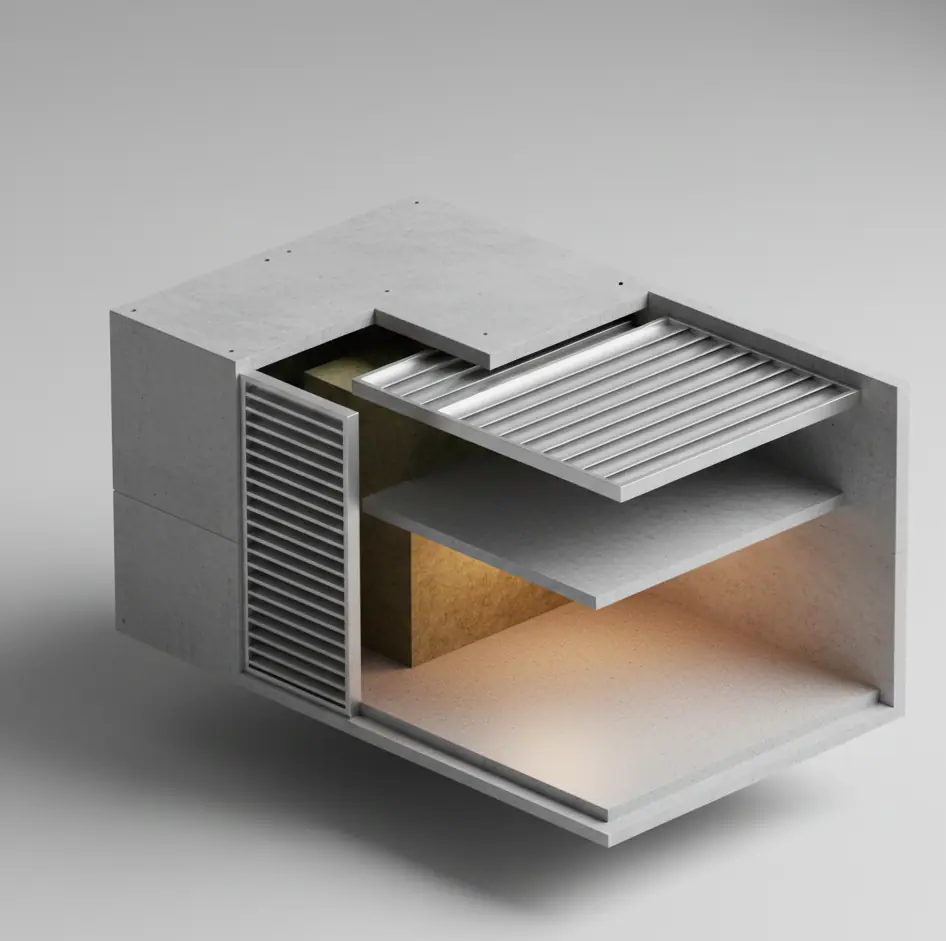
Crawl space insulation by injection consisting of injecting insulating material into crawl space cavities. Ideal for hard-to-reach crawl spaces, rapid and without major work. Price between €20 and €40/m². Effective solution to insulate inaccessible crawl spaces while guaranteeing complete coverage.
Polyurethane foam crawl space insulation to meet different needs, whether accessible or inaccessible crawl space. Polyurethane ideal thanks to insulating properties and ability to fill difficult spaces. Protects against moisture rise, improves thermal comfort, and preserves foundations.
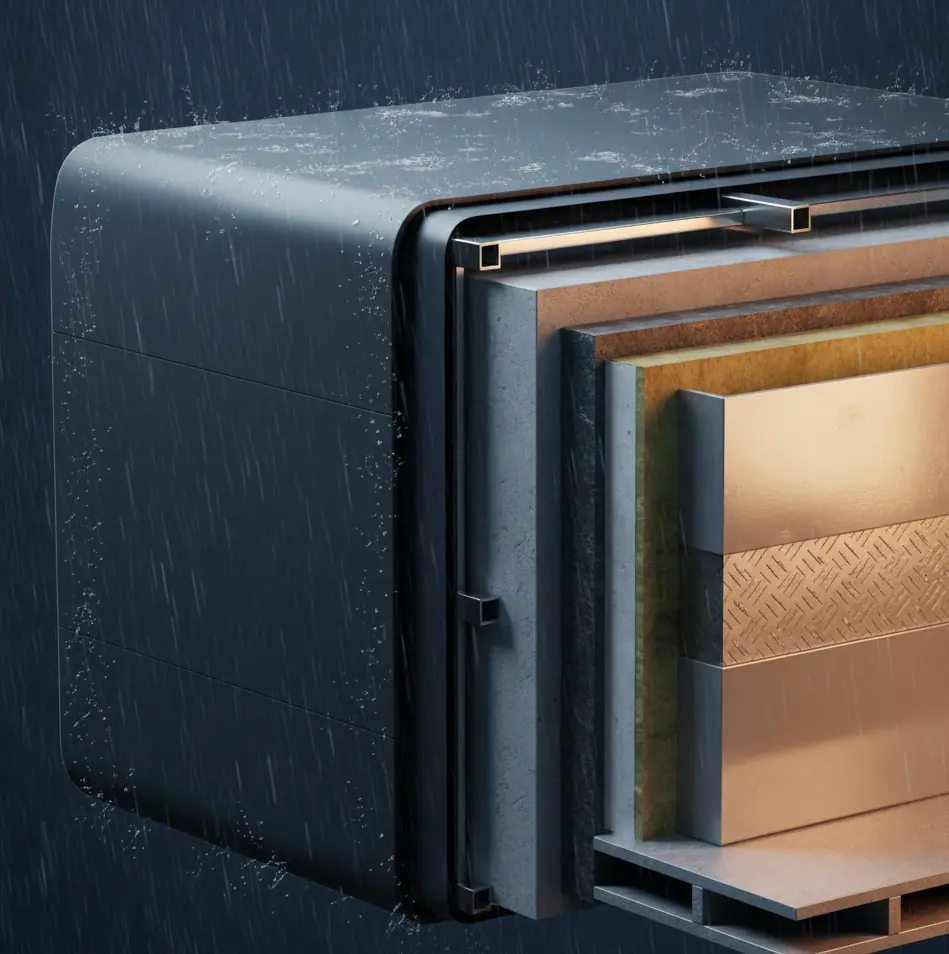
Solution suitable for accessible crawl spaces with rigid insulating panels fixed under the floor. Price between €15 and €30/m². Offers high-performance and durable thermal insulation, eliminating thermal bridges. Crawl space insulation aid available: MaPrimeRénov', CEE, zero-interest eco-loans to reduce costs.
Need a crawl space insulation expert?


Crawl Space Insulation FAQ
Can I insulate a crawl space myself?
Polyurethane is ideal thanks to its exceptional insulating properties and its ability to fill difficult spaces. Sprayed polyurethane foam offers optimal thermal and acoustic insulation, eliminates thermal bridges, and guarantees air and moisture tightness for significant energy loss reduction.
An uninsulated crawl space can lead to significant heat loss (up to 10% of energy losses), moisture, mold problems, and deterioration of structures. Thermal insulation helps prevent these problems, improve comfort, and significantly reduce energy consumption.
On average, between €25 and €50/m², depending on the thickness and configuration of the crawl space. The price may vary depending on accessibility, the surface to be insulated, and the complexity of the work. Financial aid such as MaPrimeRénov' or zero-interest eco-loans can significantly reduce this cost.
For an inaccessible crawl space, solutions such as spray or injection of polyurethane foam are most suitable. These techniques allow reaching difficult areas while guaranteeing complete coverage and optimal thermal insulation, eliminating thermal bridges for maximum energy efficiency.
Crawl space insulation aid can take several forms: MaPrimeRénov': A grant for thermal insulation work. Energy Savings Certificates (CEE): Financial aid to reduce the cost of work. Zero-interest eco-loan: An interest-free loan to finance your work. Check your eligibility to maximize your savings.
Absolutely. Crawl space insulation keeps your floors warm in winter and reduces cold sensations, significantly improving the thermal comfort of your home. It also reduces heat loss, allowing better temperature regulation and reduced energy consumption for heating.